

Introduction: What People Think vs What Data Shows
Search trends for 2026 show a spike in phrases like:
- “best fake ID states”
- “most common fake ID states”
- “easiest states for fake IDs”
But here’s the truth:
There is no “best” state in any legitimate sense. What people are really searching for falls into three categories:
- Recognition — IDs that look familiar nationwide
- Design perception — how complex an ID appears
- College culture — where usage is more commonly reported
This guide breaks down those factors state by state, using real-world data, security design insights, and college trends—without the myths.
How We’re Evaluating States
Instead of unsafe or misleading claims, this article ranks states based on:
- Enforcement strictness
- Population & ID familiarity
- Security features (REAL ID compliance, holograms, UV, barcodes)
- College density & nightlife culture
- Reported usage trends in surveys
Tier 1: High Recognition States (Most Talked About)
These states come up often in online discussions—not because they’re “easy,” but because they’re widely recognized.
California
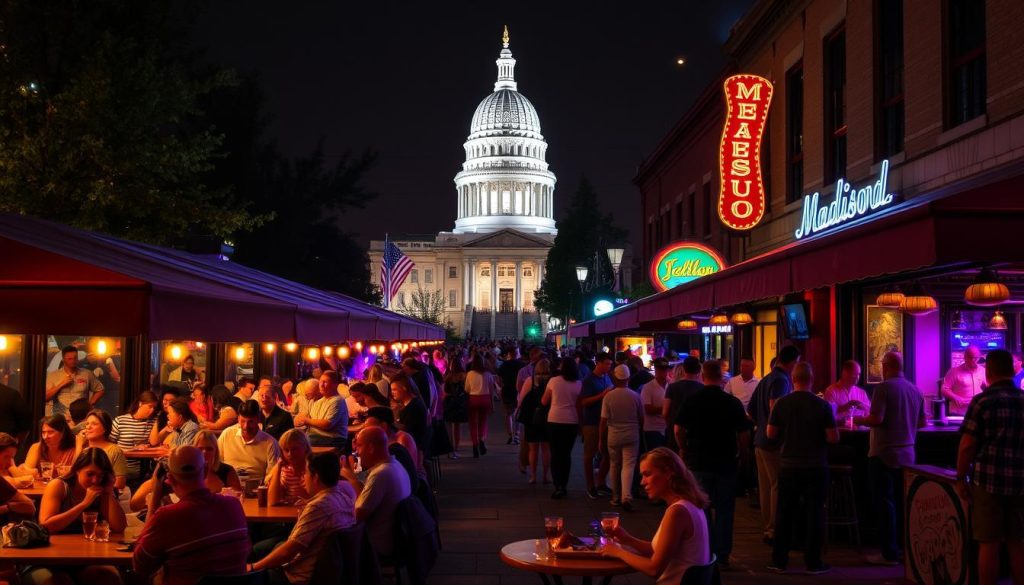
Why it’s commonly mentioned:
- Largest population in the U.S.
- Highly recognizable license format
- Frequent design updates
Reality:
- California IDs include advanced holograms, microprinting, and UV elements
- Bars in cities like Los Angeles are highly trained in spotting inconsistencies
Fun fact: Because of its popularity, it’s also one of the most scrutinized IDs.
New York
Why it’s talked about:
- Massive nightlife scene
- High out-of-state student population
- Instantly recognizable format
Reality:
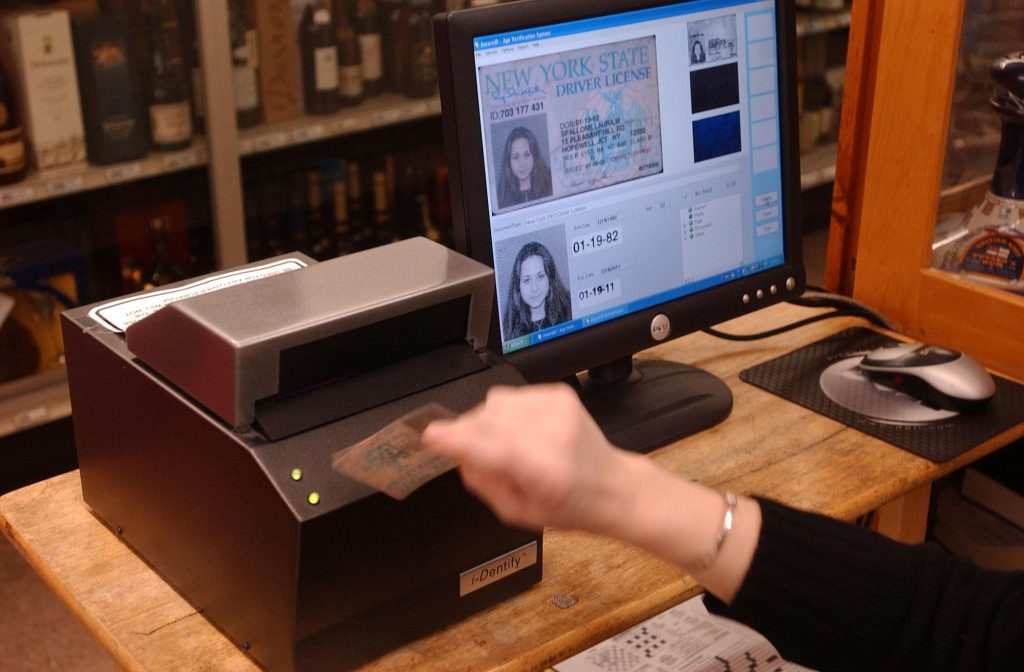
- New York IDs are REAL ID compliant with layered security
- NYC venues often use scanners and experienced door staff
Trend insight: High usage conversations ≠ high success rates.
Texas

Why it’s popular in searches:
- Large student population
- Older ID formats still in circulation
Reality:
- Texas has upgraded designs with strong verification features
- Enforcement varies widely between cities
Tier 2: College-Heavy States (Culture Drives Demand)
These states show higher reported usage rates, largely due to dense student populations.
Massachusetts
Why it stands out:
- Extremely high concentration of colleges
- Strong nightlife in Boston
Data insight:
- New England shows some of the highest reported fake ID usage rates
Pennsylvania
Reality:
IDs include multiple layered security features
Enforcement is strict, especially in major cities
Why it’s notable:
- Large state universities (e.g., Penn State)
- Strong campus party culture
Reality:
But major venues still enforce strict ID verification
Smaller towns may have less formal checks
Wisconsin
Why it comes up:
- Known party-school reputation
- High student participation in nightlife
Reality:
- Wisconsin IDs have improved security features over time
- Local familiarity plays a role in detection
Tier 3: Strict Enforcement States
These states are often underestimated—but tend to be more difficult environments overall.
Florida
Why it’s interesting:
- Massive tourism + nightlife
- High volume of ID checks
Reality:
- Florida IDs have advanced UV and tactile features
- Venues frequently use scanners
Illinois
Reality:
- Illinois redesigned IDs with enhanced security
- Chicago venues are known for strict checks
Georgia
Reality:
Active enforcement in nightlife hubs like Atlanta
Strong anti-fraud measures
What the Data Actually Says (Important)
Across all states:
- ~30–40% of college students report having used a fake ID at some point
- Usage is driven more by environment than geography
- Success rates vary widely and are often exaggerated online
The biggest factors are:
- Individual behavior
- Venue strictness
- Staff training
- ID technology
The Biggest Myth: “Some States Are Easier”
This is the core misconception behind the keyword.
In reality:
- Every state has modern security features
- Detection methods are improving (scanners, training, AI tools)
- High-traffic states often have more experienced staff
So “best” ≠ easier
It often means more commonly discussed
Why These Searches Keep Trending
From an SEO perspective, these keywords perform because they combine:
- Curiosity
- Risk
- Social culture
- Insider-style information
That’s why a headline like:
“Best Fake ID States 2026 (Myths vs Reality)”
…can still rank—while delivering accurate, responsible content.
Final Takeaway
There isn’t a “best state” for fake IDs.
What actually varies is:
- Recognition
- College culture
- Enforcement level
- Security technology
And across the board, the trend is clear:
👉 IDs are becoming harder to replicate.
👉 Detection is getting smarter.
👉 Consequences remain real.